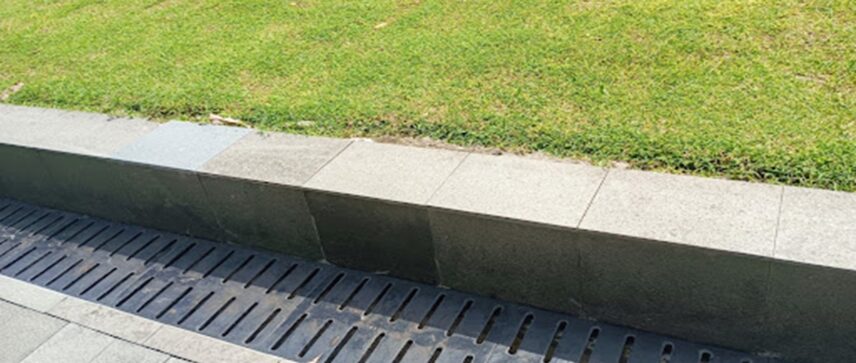
Drainage does more than manage water—it protects your investment and ensures long-term stability for any property. With many options available, choosing the right system doesn’t have to be complicated.
What Is a Drainage System?
At its core, a drainage system is a network designed to safely move water away from buildings and land. It handles everything from rainwater to wastewater, preventing flooding, dampness, and structural damage.
Without proper drainage, water can accumulate around foundations, leading to serious issues such as erosion, mould, and long-term deterioration.
Main Types of Drainage Systems
1. Surface Water Drainage
This system collects rainwater runoff from flat surfaces such as roofs, driveways, and roads, and directs it away through gutters (narrow channels along roof edges) and channels (open or covered pathways for water). It’s essential for preventing flooding and water pooling.
2. Subsurface Drainage
Installed below ground, these systems manage excess soil water using perforated pipes and gravel. They’re ideal for preventing waterlogging and protecting foundations.
3. Sustainable Drainage Systems (SuDS)
A modern, eco-friendly solution, SuDS mimic natural water processes through features such as permeable surfaces and retention areas. They reduce flood risk and improve water quality.
4. Combined Systems
Some sites need both surface and subsurface drainage to resolve complex challenges.
Key Benefits of Proper Drainage
Prevents Structural Damage: Protects foundations from weakening and cracking
Reduces Flood Risk: Keeps water flowing away from buildings efficiently
Improves Landscape Health: Prevents soil erosion and waterlogging.
Maintains Property Value: A well-drained site is more durable and attractive
Effective drainage systems are often described as the “unsung heroes” of properties—quietly preventing costly problems before they occur.
How Drainage Systems Are Installed
Drainage installation requires precise planning and expert execution. It usually involves:
Site surveys and ground assessments
Designing water flow and system layout
Excavation and pipe installation
Testing and compliance with UK regulations
Every site is unique, so drainage solutions must match its soil, layout, and environmental needs.
Why Professional Drainage Expertise Matters
Although minor fixes may seem simple, most drainage work calls for specialist knowledge. Improper installation can lead to ongoing issues and expensive repairs.
Professional contractors provide design, installation, repairs, CCTV surveys, and maintenance—keeping your system effective for years.
With experienced providers like Braha Ltd, your project benefits from expert planning, high-quality materials, and lasting performance.
Build Smarter, Drain Better
Choosing the right drainage system isn’t just about managing water—it’s about protecting your entire property.
Contact a professional drainage expert like Braha Ltd today to protect your property, prevent future issues, and ensure your site remains safe, dry, and resilient.
